Expertise and innovation for fences since 1973
The first-class ecommerce for fences, posts and gates

MESH FOR FENCING
POSTS, BRACE BARS AND POST SUPPORTS
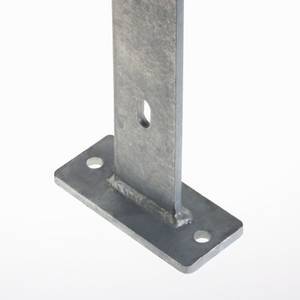
T-POST PLATES, T-POST EXTENSION
MODULAR PANEL FENCING
SHADING AND REED SCREENING
WIRE, ACCESSORIES AND COMPLEMENTARY ITEMS
GATES
CAST IRON PROFILES AND CAPS
STRUCTURAL PIPES AND SUPPORT PLATES
PLASTIC FENCING AND POLYETHYLENE MESHES
ROOFING
DIY AND GARDENING
SPORTS NETTING
SYNTHETIC HEDGES
SYNTHETIC GRASS
CONSTRUCTIONS AND GEOSYNTHETICS
FENCING KITS
Meshes and nets for gardening and agriculture
Meshes for residential use
Sport meshes and sport items
Meshes and supplies for industry and security
Pets and farming fences and items
DIY
Shading nets
Meshes and supplies for spring
Meshes and supplies for summer
Meshes and supplies for autumn
Meshes and supplies for winter
All purpose
Mesh for fencing
From saying to doing
Shading and reed screening
Poles, braces bars and pole supports
Plastic fences
Wire, accessories and complementary items
Modular panel fencing
Gates
Tips, informations and mesh curiosities
Interviews.A chat with...
We lay a fence for real
Cast iron profiles, support plates, structural pipes, caps
Sport nettings
Roofing
Hardware and gardening
Video tutorials Tenax
Rete Plastic’s work: Fences built for our clients
MESH FOR FENCING
POSTS, BRACE BARS AND POST SUPPORTS
T-POST PLATES, T-POST EXTENSION
MODULAR PANEL FENCING
SHADING AND REED SCREENING
WIRE, ACCESSORIES AND COMPLEMENTARY ITEMS
GATES
CAST IRON PROFILES AND CAPS
STRUCTURAL PIPES AND SUPPORT PLATES
PLASTIC FENCING AND POLYETHYLENE MESHES
ROOFING
DIY AND GARDENING
SPORTS NETTING
SYNTHETIC HEDGES
SYNTHETIC GRASS
CONSTRUCTIONS AND GEOSYNTHETICS
FENCING KITS
Meshes and nets for gardening and agriculture
Meshes for residential use
Sport meshes and sport items
Meshes and supplies for industry and security
Pets and farming fences and items
DIY
Shading nets
Meshes and supplies for spring
Meshes and supplies for summer
Meshes and supplies for autumn
Meshes and supplies for winter
All purpose
Mesh for fencing
From saying to doing
Shading and reed screening
Poles, braces bars and pole supports
Plastic fences
Wire, accessories and complementary items
Modular panel fencing
Gates
Tips, informations and mesh curiosities
Interviews.A chat with...
We lay a fence for real
Cast iron profiles, support plates, structural pipes, caps
Sport nettings
Roofing
Hardware and gardening
Video tutorials Tenax
Rete Plastic’s work: Fences built for our clients